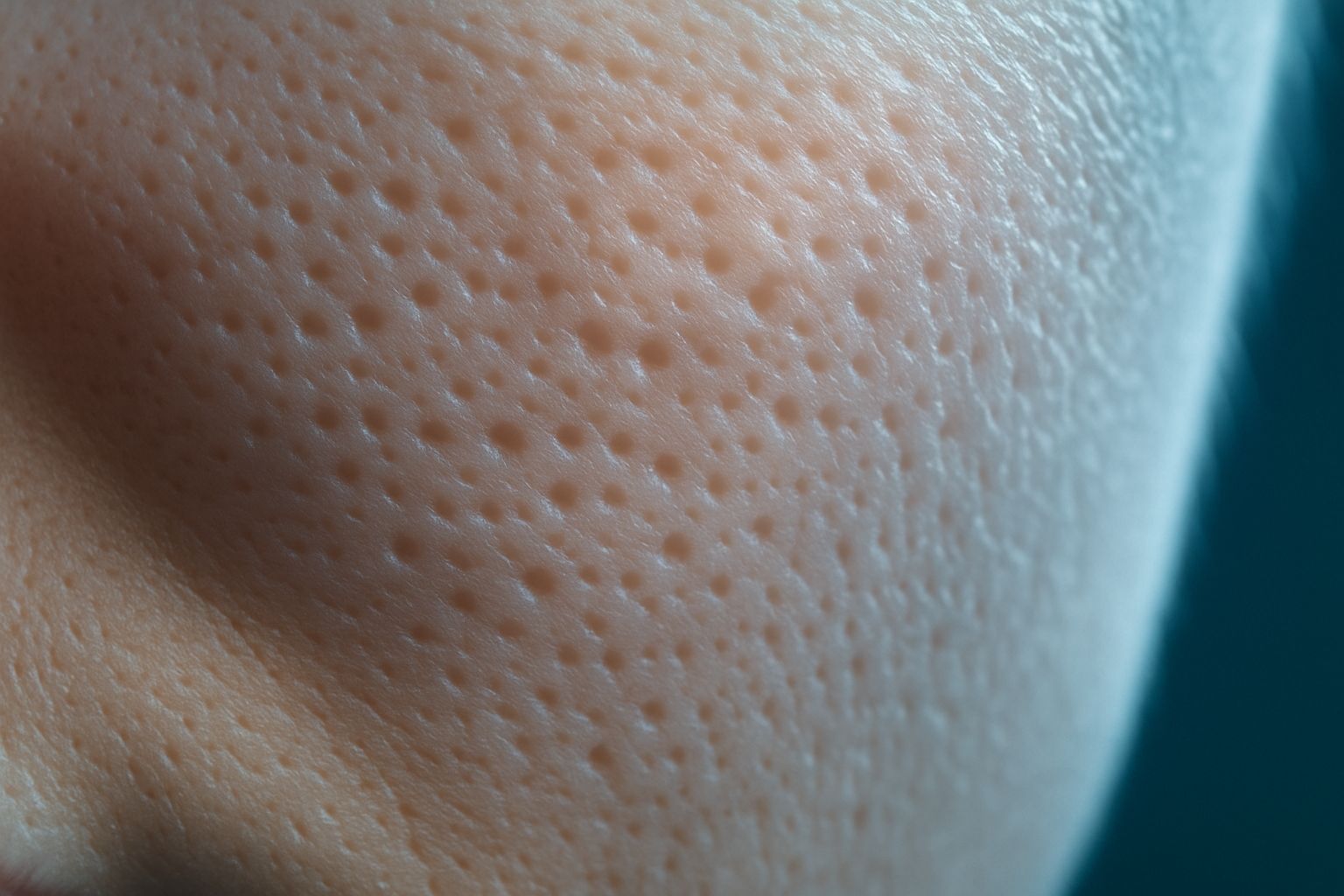
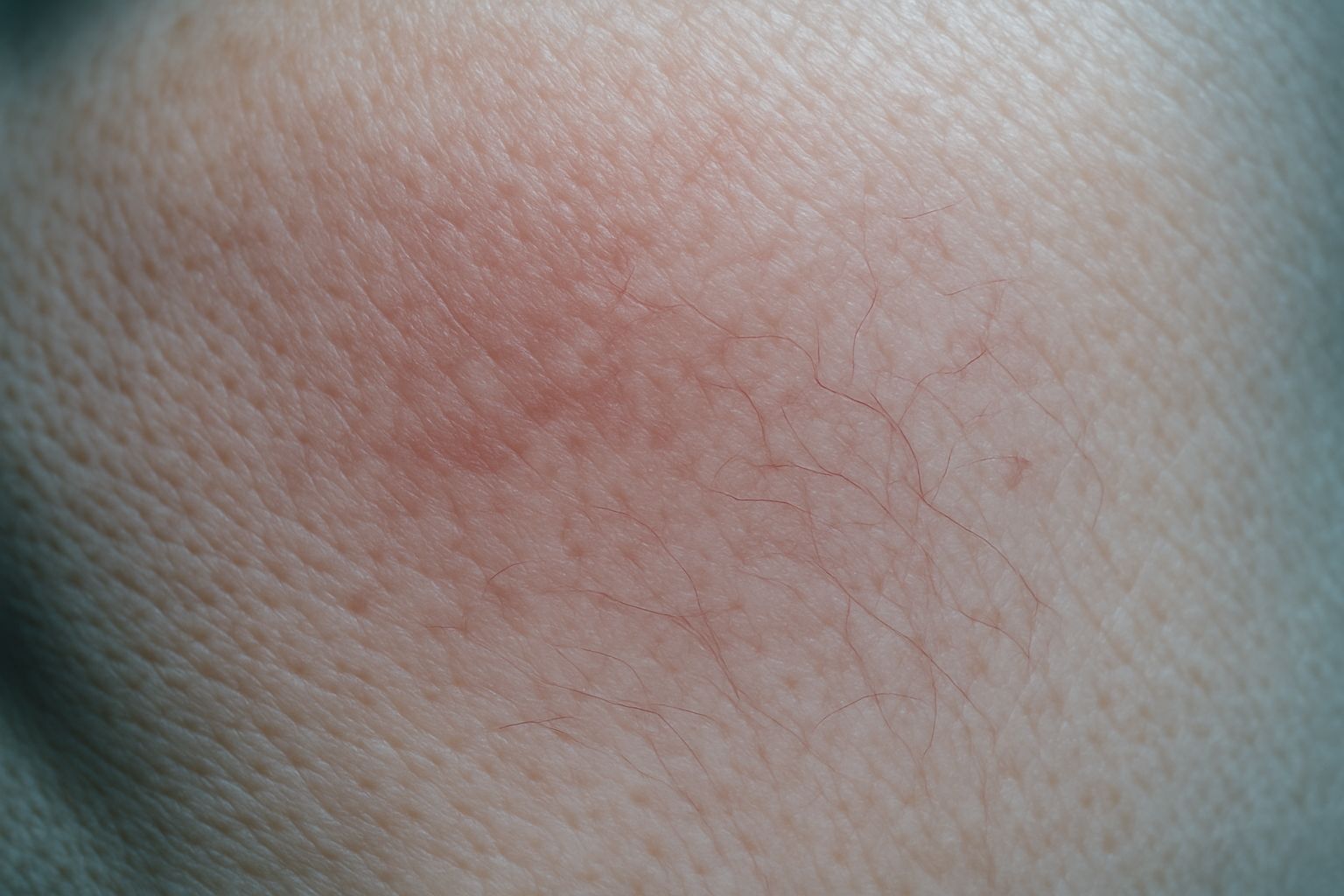
Treatment room at a cosmetic skin clinic in London, natural daylight
Skin treatment in London

Cosmetic Skin Clinic
in London

The diagnosis comes before the device.

Skin treatment planned around what you actually have rather than around what a clinic happens to own. A full skin assessment, a written plan, patch testing where it is indicated, and a course reviewed on the skin rather than sold by the calendar.

The practice

Built around the assessment.

A cosmetic skin clinic serving London, organised around the finding rather than the equipment. Almost every disappointing skin result begins the same way: a competently performed procedure aimed at the wrong problem. Melasma treated as sun damage. Redness treated as scarring. A damaged barrier treated with more exfoliation.

So treatment starts from what you actually have. The finding is named, the mechanism that addresses it is explained, the realistic timeline is stated rather than compressed, and the risks that need a plan are set out before anything is switched on. Skin type governs the settings and sometimes governs whether a treatment is offered at all.

Where a course is proposed, the number of sessions and what happens between them is written down, and the course is judged on the skin at review rather than completed because it was paid for. What the consultation involves.

Treatments

Eleven treatments, matched to findings.

Each page states what the treatment changes, who it suits, how much it costs in London and what moves that number, how long the result takes, the recovery, and the circumstances in which it is the wrong choice.

Conditions

Start from the diagnosis, not the device.

Almost every disappointing skin result begins the same way: a competently performed procedure aimed at the wrong finding. These pages set out what each finding is, how it is assessed, which treatments address it in London, what will not work, how long it takes and what moves the cost.

Standards and technology

The framework this practice works to.

No badges, because a badge tells you almost nothing. The framework, and what it means for you, tells you a great deal.

Regulation of this sector is narrower than most people assume. Where a clinic is registered with the Care Quality Commission, that registration covers defined regulated activities rather than every procedure on the menu, and a great many cosmetic skin treatments sit outside it altogether. Legislation enabling a licensing scheme for non-surgical cosmetic procedures in England exists but has not been brought into force.

Devices are the part clinics advertise and the part that matters least. A laser is a set of parameters, not a promise. What decides the outcome is whether the skin was typed properly before the settings were chosen, whether a test patch was performed where it was indicated, whether the settings were recorded so they can be repeated or adjusted, and whether anyone was prepared to decline treatment.

So what is published here is the framework rather than a badge: assessment before treatment, Fitzpatrick type recorded and acted on, patch testing where indicated, written consent that names the risk of post-inflammatory pigmentation rather than burying it, standardised photographs in consistent light for comparison rather than for advertising, and a protocol for what happens if pigmentation develops afterwards.

The questions to ask any skin clinic in London

Consultation room at a cosmetic skin clinic in London
The assessment

What a thorough assessment covers.

A consultation that runs for ten minutes and ends with a course price is not an assessment. This is the ground a proper one covers.

The finding, named
What you actually have, distinguished from what looks similar. Melasma from lentigines. Marks from scars. Rosacea from sensitivity. A damaged barrier from ageing.
Skin type, recorded and acted on
Fitzpatrick type established properly, because it governs which acids and energies are appropriate, at what settings, and whether a treatment is offered at all.
The routine you are already using
Every cleanser, acid, retinoid, exfoliant and device, with frequency. Over-exfoliation is one of the commonest causes of the problem people arrive asking to have treated.
Anything that needs a doctor
New, changing, bleeding or non-healing lesions, persistent scaly patches, moderate or severe inflammatory acne, and undiagnosed inflammatory conditions. These are referred, not treated.
The plan, written down
Modality, settings, number of sessions, interval, preparation, what is included, when the result will be assessed, and what happens if pigmentation develops afterwards.
The pathway

How treatment proceeds.

The same order every time, with the decision made at assessment rather than at the point of sale.

  1. Enquiry

    Tell us what you are seeing on your skin, how long it has been there and what you have already tried. You are told which treatments are relevant and which are not.

  2. Assessment

    The finding named, skin type recorded, the routine reviewed, and anything needing a medical opinion referred rather than treated.

  3. Patch test and preparation

    Where it is indicated, before treatment rather than after a reaction. Skin preparation where the plan calls for it, particularly in deeper skin tones.

  4. The written plan

    Modality, settings, sessions, interval, cost and the risks that need a protocol, set out in writing. You take it away and think about it.

  5. The course

    Delivered at the stated interval, with settings recorded each time so they can be repeated or adjusted rather than guessed at.

  6. Review at the right distance

    Judged on the skin at three and six months, with photographs in consistent light, rather than declared finished because the sessions were used.

What drives the cost of skin treatment in London
Costs

Why the figure comes after the assessment.

There is no price list on this site. Almost everything worth having in this field is a course rather than a session, and the number of sessions follows from the finding, the skin type and the response to the first of them. A per-session figure quoted before an assessment is not a price, it is a hook.

What you should expect instead is a written plan after the assessment, stating the modality, the number of sessions, the interval, what preparation is required, what is included, when the result will be assessed and what happens if pigmentation develops. That document is what you compare between London clinics.

The cheapest possible outcome is worth naming, because it happens often: an assessment that concludes your barrier is damaged and the correct first step is to stop, wait and repair. That costs nothing at a clinic and it frequently works.

What skin treatment costs in London

Where patients travel from

Serving London and the home counties.

Enquiries come from every part of the city and from well beyond it. Consultations are arranged by appointment, so the practical question is how far you are willing to travel for an assessment rather than which street a door sits on.

Central and west

Marylebone, Fitzrovia, Mayfair, Soho, Belgravia and the Harley Street medical district.

Kensington and Chelsea

Chelsea, South Kensington, Knightsbridge, Notting Hill, Holland Park and Fulham.

North London

Hampstead, St John's Wood, Primrose Hill, Islington, Highgate and Muswell Hill.

City, east and south

The City, Clerkenwell, Shoreditch, Canary Wharf, Wimbledon, Richmond and Clapham.

Common questions

Asked before booking.

What does a cosmetic skin clinic in London actually assess?

The finding before the treatment. Skin type recorded properly, the pattern and depth of what you have, the routine you are already using, and whether anything present needs a doctor rather than a clinic. Only then does the conversation reach devices, courses and cost.

How much does skin treatment cost in London?

Almost everything worth having here is a course rather than a session, so comparing a single session price between clinics is misleading. Cost depends on the modality, the number of sessions, whether preparation is required and whether reviews and photographs are included. A written plan follows the assessment.

Do I need a consultation first?

Yes. Skin type governs which acids and energies are safe and at what settings, and treating the wrong finding is the commonest reason a course does not work. Where patch testing is indicated it happens before treatment rather than after a reaction.

Which areas of London do you serve?

Enquiries come from across the city, including Marylebone and the Harley Street medical district, Mayfair and Fitzrovia, Chelsea, Kensington and Knightsbridge, Hampstead and Islington, the City and Clerkenwell, and Wimbledon and Richmond. Consultations are arranged by appointment.

How long before I see a result?

Surface treatments show a change within days and it is short-lived. Collagen-driven treatments are assessed three to six months after the final session, because remodelling continues throughout that period. Judging a course at four weeks is the commonest reason people conclude it did not work.

Is skin treatment safe?

Every treatment described here carries risk, most commonly post-inflammatory pigmentation, and that risk is managed by typing the skin, preparing it and choosing settings accordingly. What separates clinics is whether the plan says what happens if pigmentation develops, and whether anyone is prepared to say no.

Enquiries

Start with the diagnosis.

Tell us what you are seeing on your skin, how long it has been there and what you have already tried. You will get a considered reply setting out what the finding is likely to be, which treatments address it and which do not.

hello@aestheticlaunchlab.com

Please do not send clinical photographs or medical records by email. If something has gone wrong after a treatment, contact the practitioner who treated you, or NHS 111, rather than waiting for a reply here.

An occasional note when a treatment page is updated or a rule in this field changes. Stored only for that, never sold, never passed on. Unsubscribe by replying to any message.